Category: Firm Pressure Massage

  • Advanced Massage Tools: Finger, Thumb & Elbow Substitutes

    Advanced Massage Tools: Finger, Thumb & Elbow Substitutes

    Do you have an elbow substitute?

    I do (it’s a massage tool), but that wasn’t always the case.

    I started my massage tool journey 25 years ago with one massage tool: The T-bar.

    The T-bar was awesome. It allowed me to easily work deep muscles, like the rotatores and multifidus in the lamina groove.

    The diameter of the tip was also perfect for arches of feet, shins, calves, hamstrings, TFLs, IT bands, forearms, rhomboids and traps.

    BUT the diameter of the tip was too big for areas like the cervical erectors and too small for bigger muscles like the glutes.

    Over the years I had developed some hacks for using the T-bar in areas where it was too small or too big. But it was never quite the same as having the best diameter-sized tool for the job.

    Finger, Thumb, and Elbow Substitutes

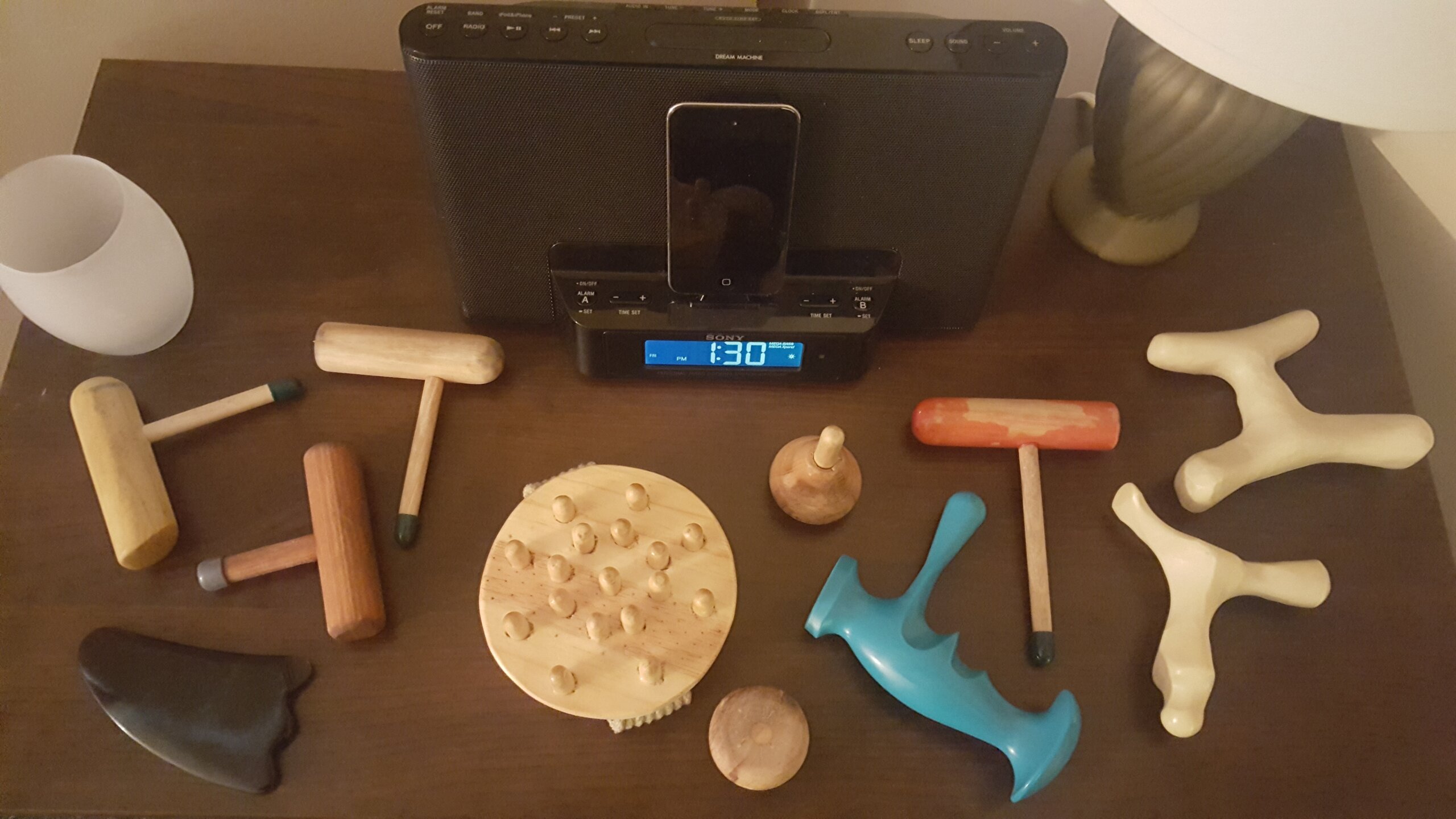
    There are 3 pressing tools with different diameter tips that go with me into the massage room every day.

    The L-bar has the smallest diameter.
    The T-bar is in the middle.
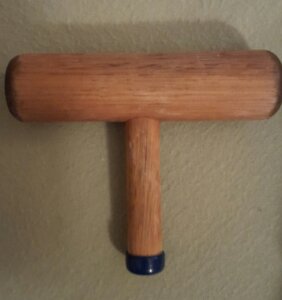
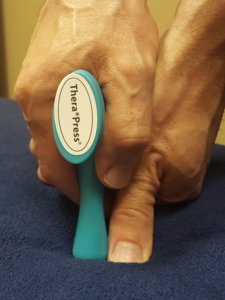
    And a Round-Tip Bar or TheraPress Trigger Point has the biggest tip.
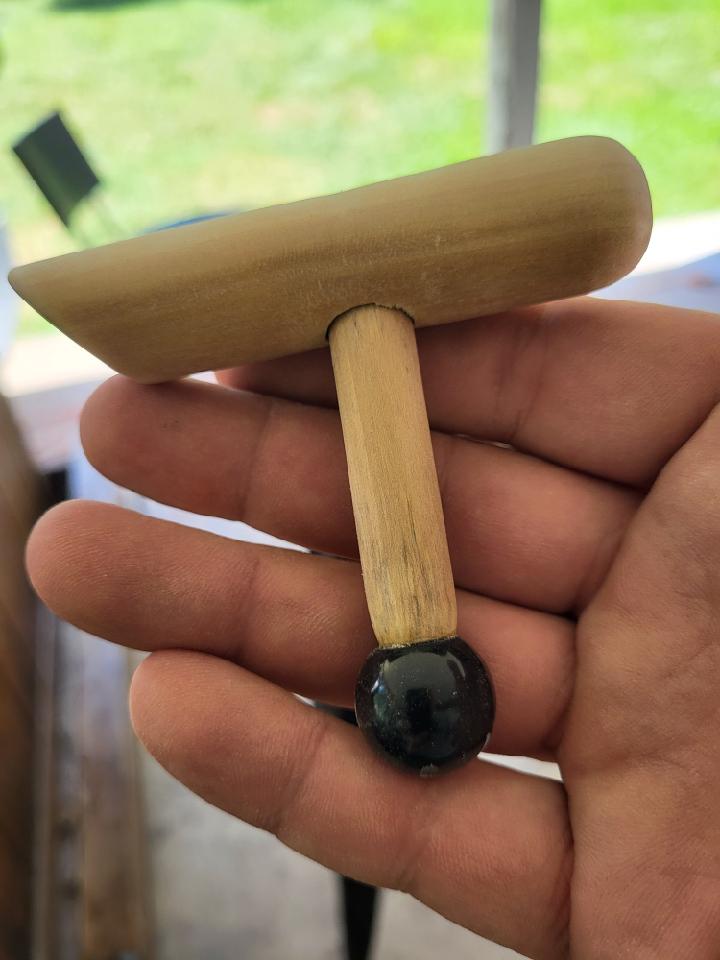
    I think of these 3 massage tools as body parts substitutes.

    The L-bar is an extra finger.

    The T-bar is an extra thumb.

    And the Round-Tip bar or TheraPress is an extra elbow.

    Finger Substitute

    Now I bet you’re thinking, okay, Mark, I can see how the T-bar can be an extra thumb, but how can the L-bar (smallest diameter) be an extra finger?

    Here’s how: When the client is prone and you’re working the cervical erectors, try using an L-bar instead of a finger.

    Elbow Substitute

    Here Sarah is using the Round-Tip Bar as an elbow substitute:

    Here’s a TheraPress used like an elbow:

    Also, if I’m doing a two-handed hold with the Round-Tip Bar or TheraPress, I make additional contact around the tip of the tool. To the client this makes the tool tip feel broader than it is.
    Below I’ve made a list of my favorite ways to use the different diameter tools.

    Finger

    (L-bar)

    Thumb

    (T-bar)

    Elbow

    (Round Tip Bar or TheraPress )

    Cervical erectors Thoracic erectors Hamstring attachments
    Levator scapular Lumbar erectors Gluteus maximus, medius, minimus
    TFL Upper trapezius Hip rotators
    Forearms Foot flexors IT band
    Thumb adductor IT band Calves
    TFL
    Forearms

    Do you need all 3 tools to save your hands?

    No.

    But it’s nice to have all the substitute options, especially if you’re doing a lot of massage or  if you’re having a busy day.

    Okay, one more time. Try using these tools for body part substitutes:

    1. Finger substitute: L-bar.

    2. Thumb substitute: T-bar.

    3. Elbow substitute: Round-Tip Bar or TheraPress.

    Check out the videos in this article to get competent with these massage tools. If you’re new to massage tools, start here.

    If you are looking to purchase a custom-made, wooden massage tool, I can make that happen.

    Round-Tip T-bar with Contoured Edge – $20 plus shipping

    T-Bar with Contoured Edge – $20 + shipping

    T-Bar Small Tip with Contoured Edge – $20 plus shipping
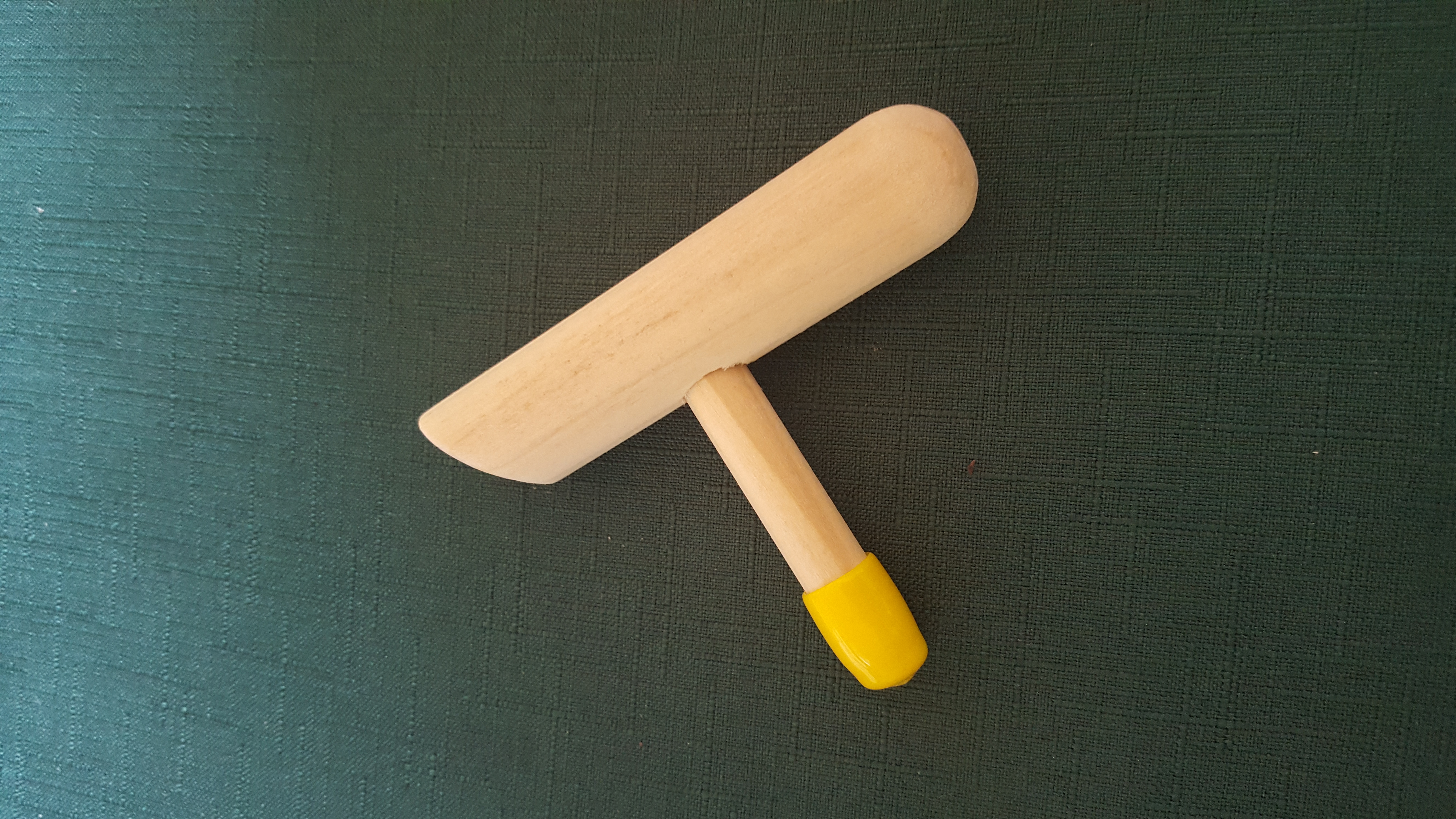
     

    All three for $45 plus shipping.

    Just email me to order or if you have questions: mark@makethemostofmassage.com

    Massage Tools Online, Home-Study CEU Classes

    Massage tools have extended my massage career and increased my massage productivity. Specifically, I do more massages in a day/week/month/year in 50s than I did in my 30s.

    I’ve spent years developing and teaching the massage tools techniques and strategies that have allowed me to effectively incorporate massage tools into any massage, from relaxation to deep tissue. Now, I’ve taken the lives classes and turned them into online, home-study classes with lots of videos and guides.

    If you’re new to massage tools and want to be able to incorporate them into your massage quickly, I recommend: How to Use Massage Tools (Fearlessly and Effectively), 2.5 CEUs.

    And if you’re familiar with using massage tools, but want to take your massage tool skill level up to the point where you not only save your body but also brand yourself as a massage therapist who is an expert with precise massage, check out this course: Advanced Massage Tools, 2.5 CEUs.


  • Advanced Deep Pressure: How to Bring Just Enough Pressure

    Advanced Deep Pressure: How to Bring Just Enough Pressure

    Are you getting a name for yourself because of your deep pressure massage?

    Or do your clients come to you because you’re the only one who can get that tight spot?

    Yeah, well, how ya feeling?

    Shoulder a little iffy?

    Neck tight?

    Fingers numb?

    Thumb aching?

    If so, there’s a good chance that you’re doing more work than you need to be doing.

    A while back my elbow hurt. My fingers tingled. My neck burned. And my shoulder was major crunchy.

    It was a rough time for me. I needed to figure out a new way to do deep pressure massage or find a new career.

    As I experimented with new ways (for me) to do deep pressure, like lowering my table and shortening my stroke, I discovered something else that was contributing to my pain: I was working a lot harder than I needed to be working.

    If you pride yourself on bringing it, then you probably don’t think twice about fully exerting yourself with each deep pressure client.

    The question is: Do you need to be bringing it 100% of the time with each deep pressure massage client?

    No.

    There’s wiggle room with deep pressure.

    In other words, at times during a deep pressure massage you may only need to bring 80%.

    Have a few deep pressure back-to-backs and that 20% means a lot.

    Deep Pressure Wiggle Room

    I discovered the deep pressure wiggle room when using massage tools.

    Massage tools made delivering precise deep pressure really easy. So much so that I could relax my body.

    In such a relaxed state I started to wonder how much pressure did I

    actually need to deliver to keep my deep pressure client happy?

    So I started to back off my pressure at times.

    Guess what happened?

    Nothing.

    Huh…I had thought that deep pressure was an all or nothing phenomenon, but my clients’ reactions (satisfaction with the pressure) when I did NOT bring it all the time told a different story.

    Deep pressure wasn’t and on/off light switch. It was more like a dial.

    Between a certain range, like 80% exertion (application of force) and 100% exertion, I could play.

    By the way, I don’t work hard even at 100% application of force. Here’s how I deliver pressure with minimal effort.

    So how do you experiment with the deep pressure dial and not lose clients?

    1. Take time to accurately figure out the deep pressure requirement of the client.

    Some clients don’t actually want your 100% deep. They may actually want your 75% deep or 85% deep.

    This is easy to figure out with new clients. First, talk to the new client about pressure.

    Then on the table figure out what pressure feels best to him.

    This is when you can really start to dial in your deep pressure. Let’s say Wil is on your table.

    Using your “I’m giving it all she’s got, Captain” (100% deep) pressure as a mental reference point, dial your pressure down to 80% to start the massage.

    How does that feel, Wil?

    You can go deeper.

    You turn the pressure dial up t0 90%.

    A little too much, Wil says.

    You dial it down to 85%.

    Perfect.

    But that’s a new client. What about old clients who want deep pressure massage?

    Can you dial back your pressure on them?

    Why yes you can.

    You just need to…

    2. Test “less pressure” in areas where expectations aren’t 100% deep.

    Linda, a client of 20-ish years, liked deep pressure in her upper thoracic and lumbar erectors.

    For the nearly 1000 massages I had done 100% deep over her entire back–but then when I got injured I needed to try something different.

    Here’s what I did. In the areas that Linda loved deep pressure (upper and lower back), I gave her my 100% deep.

    But in the areas that were not on her radar, like mid- and lower thoracic back, I backed off my pressure to 75 – 80% .

    And it worked.

    My body was happy and Linda never asked for deeper pressure in the non-primary areas.

    At this point I have to tell you that I’m a little nervous for my long-term, deep pressure MTs who are reading this article.

    Because even if what I say resonates with you, here’s what’s going to happen next: You’re going to do your next deep pressure massage at 100%.

    Why do I know this?

    Because that’s who you are.

    You’ve identified yourself with deep pressure (100% all in). And you don’t want to lose that identity–even for a couple of seconds–by going to light and having someone ask you go to deeper.

    Let me save you a case of cervical radiculopathy.

    You can still be Helen-The-Great-Deep-Pressure-Massage-Therapist without going 100% deep all the time.

    1. At the beginning of the massage figure out the kind of deep pressure the client actually wants.
    2. Then experiment in non-primary, deep pressure areas to see if you can dial back the pressure some.

    Can you be an expert with deep pressure fast and for cheap and get CEU credits for it?

    Yes.

    Go here.

  • How to Massage a Bodybuilder

    How to Massage a Bodybuilder

    Science doesn’t know that hands can shriek, but we, massage therapists, do. In fact, it happened to me the other day. Mr. Universe walked into my office looking for a deep pressure massage. AAAHHH!, screamed my hands. (Only dogs could hear it). Then I said, Relax, hands. Remember, we know how to massage a bodybuilder pain-free. Use deep, precise pressure on the tight spots and drop down to firm pressure for the glide.

    You Lost it Bro

    I know what you’re thinking: Mark, you’ve lost it. You’re talking to your hands AND you’re telling me to work deep on tight spots. That deep, precise pressure is going to kill my hands!

    I’ve only half lost it. I do talk to my hands, but the advice I’m giving is not crazy. Let me explain.

    How Not to Massage a Bodybuilder

    Here’s how Mr. Universe can hurt your body.

    As you try to sustain deep pressure throughout the entire massage your body never gets a chance to recover. Your neck, shoulders, arms, back and hands get overworked and bad body mechanics ensue, like reaching too far in a deep pressure glide stroke.

    Trying to sustain deep pressure throughout the entire massage is what I believe to be at the core of many MT pain conditions and injuries.

    Interestingly, I used to be an advocate of sustained pressure.

    Challenging Sustained Pressure

    When my wife, Lisa, and I started our hotel massage business I created a training manual for MTs who worked for us.

    And guess what I taught them?

    Yep, sustained pressure.

    Why I Changed

    Years later, I changed my mind because of pain issues from using sustained deep pressure on clients like Mr. Universe.

    After some experimenting I came up with this formula for working on Mr. Universe: firm pressure for the general massage, but deep pressure for tight spots and areas of requested focus.

    It was a success.

    The proof?

    My body felt a heck of a lot better and Mr. Universe loved the massage.

    He loved the massage even without killer deep pressure everywhere?

    Yep.

    Why?

    My guess is that I scratched the itch. I provided pain relief for his tight spots and areas of concern with deep, precise pressure, and I relaxed him with the  firm pressure everywhere else.

    This brings us back to the concern of killing your hands doing deep, specific pressure on tight spots.

    How to do Deep and Precise Pressure Pain-Free

    It won’t happen if you:

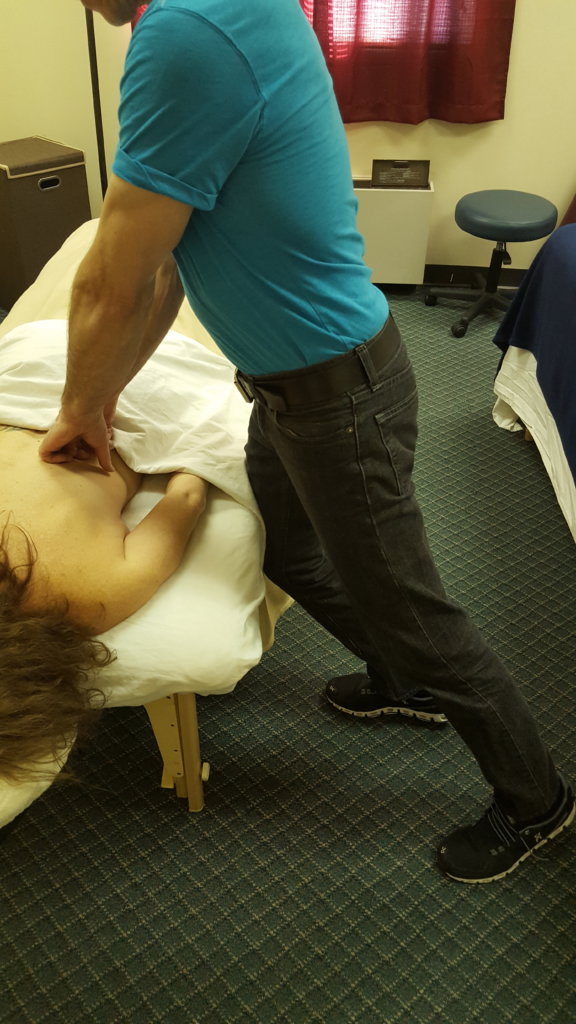
    (1) put yourself in the best position to lean with your body weight.

    That means you have your work in front of and below you. In this position you can generate your pressure through leaning which is ultimately easier on your body than pressing.

    (2) combine body parts to make it easier on your fingers.

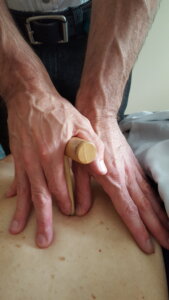
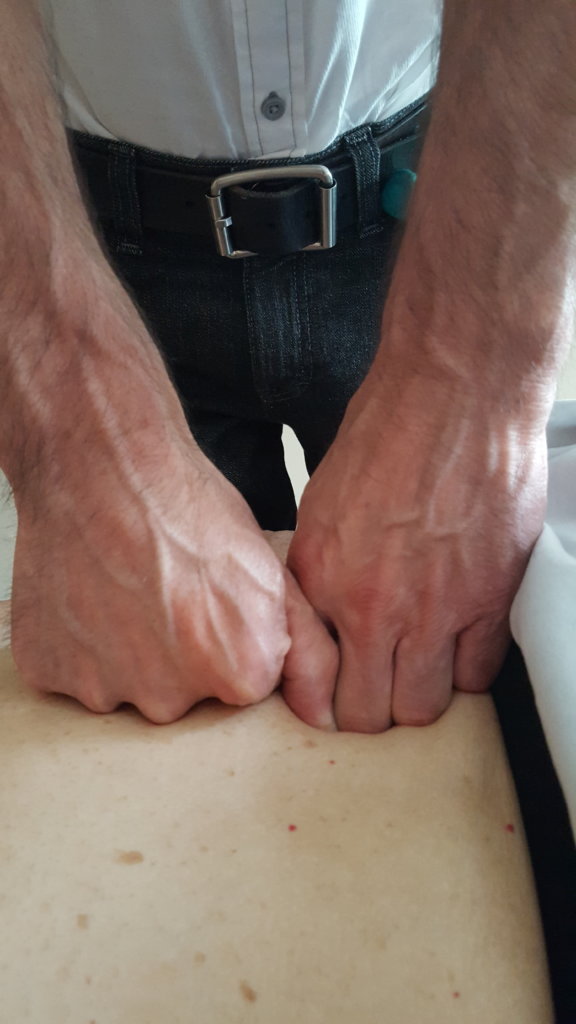
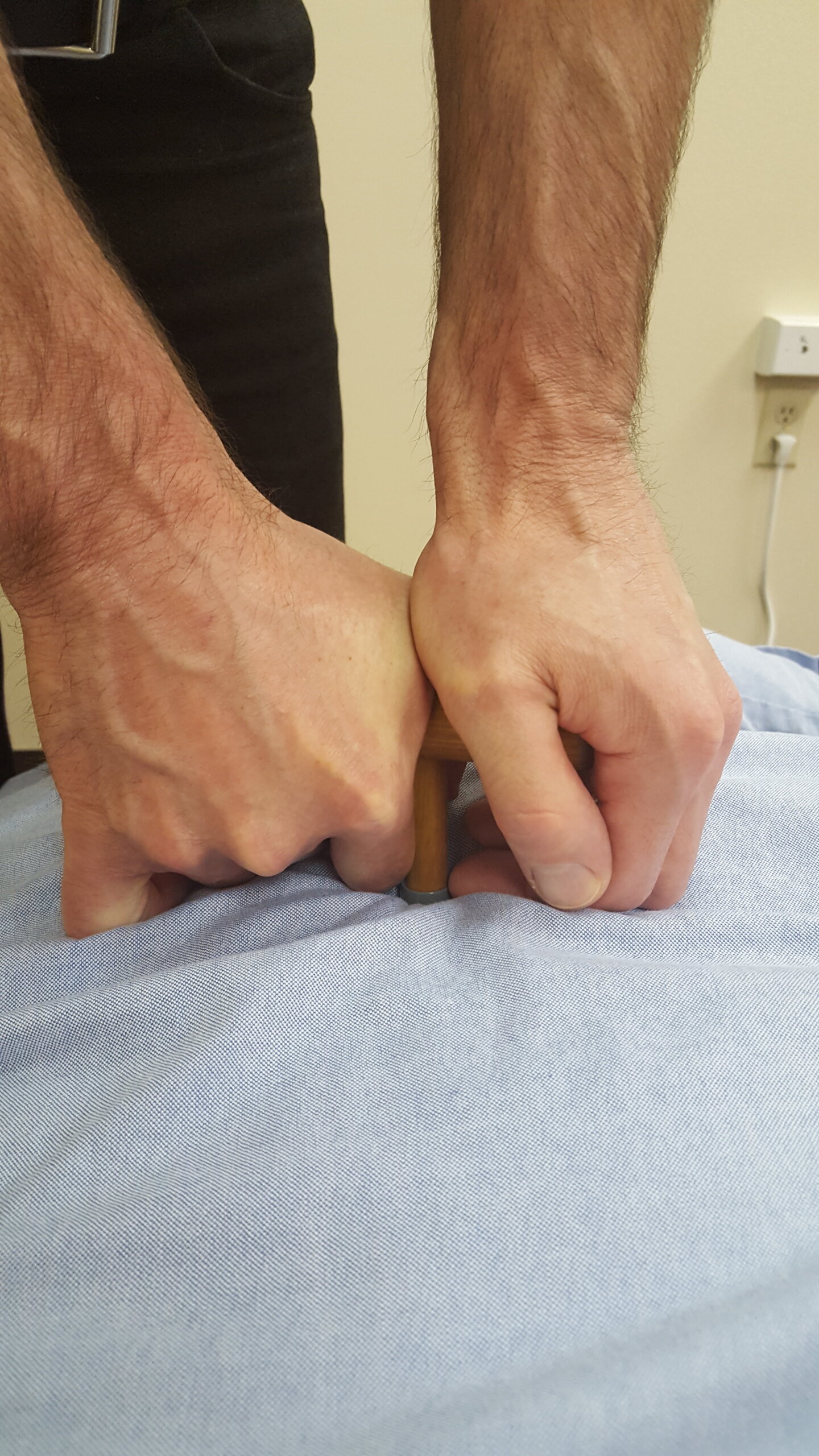
    Think of all the ways you can brace and support fingers. In the picture above, most of the pressure is being directed through my middle finger of my left hand. The other hand is there for support.

    (3) use a massage tool.

    See how my hands are relaxed? Here’s how you do that: Massage Tools Can Save Your Hands.

    This is going to sound as crazy as me talking to my hands, but when you’ve got all three things working right, applying deep/precise pressure to tight spots is actually a rest for your body.

    And don’t be surprised if you find yourself actually looking forward to working on tight spots.

    Alright, here’s my 3 step version of how to massage a bodybuilder.

    Massage a Bodybuilder Step-By-Step

    Step #1: Note Mr. Universe’s requested areas of focus.

    Let’s say Mr. Universe wants full body, deep pressure with a focus on traps and neck. Traps and neck should be tops on your parts-to-do list.

    Step #2: Find the tight spots and pain areas within the requested areas of focus and use deep, precise pressure on them.

    Remember that your hands should feel fine when doing deep and precise pressure because you’re going to use good body mechanics, combined body parts and massage tools.

    Step #3: Use firm pressure with your glide strokes, but when you find a tight spot go deep.

    Here’s a hypothetical. I’m starting on one of Mr. Universe’s requested area of focus, his left trap, and I’m going to glide down to his sacrum.

    a. First I find a tender spot in his trap and press with deep, precise pressure until I feel it’s time to move on.

    b. Then I lighten my pressure to firm pressure and start my glide.

    c. At T1, I find a tight spot, so I pause and ramp my pressure up to deep.

    d. I rinse and repeat all the way down the spinal erectors.

    This video should help you out with gliding and ramping your pressure up to deep:

    [embedyt] https://www.youtube.com/watch?v=s2GcDbM0R5I[/embedyt]

    How to Massage a Bodybuilder Line Graph

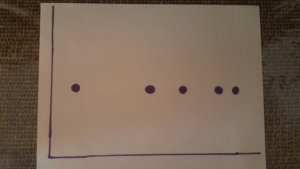
    Another way to visualize “deep pressure for tight spots” and “firm pressure for the glide” is to think of a line on a graph.

    The tight spots where you apply deep, precise pressure are the dots (the data points) on the graph.

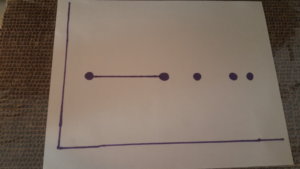
    The moving with firm pressure is the in-between (lines connecting the dots).

    You start with deep pressure on dot 1 (e.g. upper rhomboid), then glide with firm pressure until you get to dot two (e.g. lower trap).

    You apply deep pressure on dot 2, then glide with firm pressure until you discover dot 3 (e.g., a tight spot in T12 erectors) and on and on…

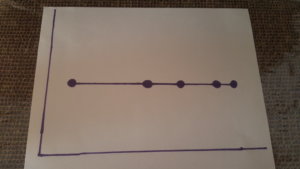
    This is the what the entire length of the stroke looks like on paper.

    You can see that you’re covering more distance with firm pressure (the lines) than you are with deep pressure (the dots).

    That should make your neck, shoulders, elbows, wrists and hands happy.

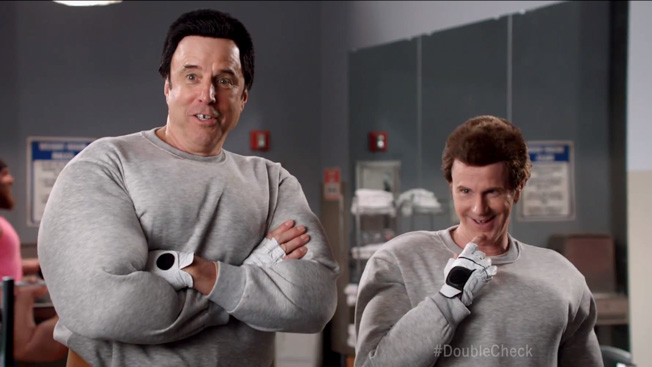
    Hans and Franz Short Version

    If you were short on time and read the opening, then skipped down here to the wrap-up, here’s how I massage a bodybuilder in the fewest words possible: Firm on the glide. Deep on the tight spots.

    How to Deliver Deep Pressure Online CEU Course

    Can you be an expert with deep pressure without hurting yourself and for cheap AND get CEU credits without leaving your house?

    Yes.

    Go here.


  • Advanced Deep Pressure Transitions: Forearms to Fists

    Advanced Deep Pressure Transitions: Forearms to Fists

    If you use your forearms constantly for deep pressure you may develop shoulder or elbow problems (or start looking Quasimodo). One way to offset the workload is to mix in fists. Yep, it’s going to feel awkward at first, but once you see how deep pressure transitions between fists and forearms can be seamless, you’re gonna want to hug me.

    [bctt tweet=”If you can’t do deep pressure transitions, you’re headed for a broken something.” username=”Mark LiskeyMarkLiskey”]

    Mixing it Up

    But you’re thinking: Mark, I’m doing just fine with my forearms for deep pressure work. I don’t have any pain. Why add in another deep pressure tool, like fists?

    If you’re asking that question, I’m gonna guess you’ve been doing massage for less than 5 years.

    Trust me on this, spreading the workload out among many joints and muscles, will help keep your body happy.

    Deep Pressure Strategies

    Here are 3 ways you can spread the deep pressure workload out:

    1. Become ambidextrous.

    AKA don’t always press with your dominant thumb. Some people are severely one-sided (like my wife, Lisa). If that’s the case, there are other things you can do to spread the workload out, like

    1. Use massage tools.

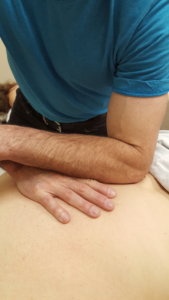
    I’m seriously addicted to massage tools. Not only can they save your hands, but they can substitute for forearms and fists when doing static, deep pressure.

    This will get you started with massage tools: How to Do Very Precise Pressure

    A third strategy to spread the workload out is to

    1. Use as many body parts as possible to deliver deep pressure.

    For precise, deep pressure, here’s my favorite combo body-part:

    For a deeper dive into combining body parts, check out this video .

    Fists for General Deep Pressure

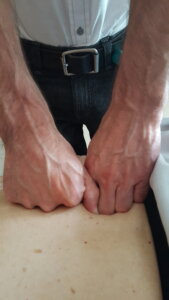
    For general, deep pressure, fists are an excellent alternative to forearms. And, yes, you can ramp up the pressure with fists no problem. You just have to lean.

    Deep Pressure Transitions: Forearms to Fists

    Deep pressure with fists does require some planning in advance. If you always use your forearm and then suddenly decide to use your fists in the middle of the massage, you’re going to struggle because your table height is going to be too high.

    Which brings us to step one for transitioning back-and-forth between fists and forearms. You need to

    1. Set your table height for your fists.

    This means your table should be set lower than it would be when using forearms. Why? Because you need enough distance between you and the table to lean all your body weight into the client through your fists.

    Once you have your massage table height set for fists, you only have to remember two more things:

    1. Take a wide stance when using a forearm.

    2. Take a narrow stance when using fists.

    How you move from wide to narrow stance and vice versa will be unique to you. Here’s what my footwork looks like:

    Deep Pressure Transitions Recap

    Doesn’t look hard, right?

    But if you’re still completely hooked on only using your forearms (not going to mention any names, Heidi), please let me know, and I’ll let you talk to my left shoulder.

    Seriously, fists are not hard to do.

    You just need to get deep pressure transitions down.

    Here are the steps:

    Deep Pressure Transitions Steps

    1. First, make sure to set your table height so that you can lean into your fists with all your body weight (which means your table is lower than a table set for forearms).
    2. Then transition between forearms and fists by moving into a wide stance when using a forearm.
    3. Move into a narrow stance when using your fists.

    Figure out your footwork as you go along.

    Massage Pain-Free Deep Pressure Online CEU Course

    If you struggle with deep pressure and/or do a lot of it and your body is rebelling, you can do something about it. No, not quit massage. Haha. You can figure out how to do deep-pressure massage pain-free–and I can help you with that.

    Deep pressure killed my body for a lot of my career until I figured out strategies and techniques that allowed me to leverage my body weight onto the client rather than rely on my upper-body to do all the work.

    Once I understood how to deliver deep pressure without hurting myself, I just needed to make it fit smoothly into a massage. This post (Advanced Deep Pressure Transitions: Forearms to Fists) is an example of that.

    So, if you want to do deep pressure pain-free and make it a smooth, signature massage at the same time check out this online, home-study course: How to Deliver Deep Pressure Without Hurting Yourself.